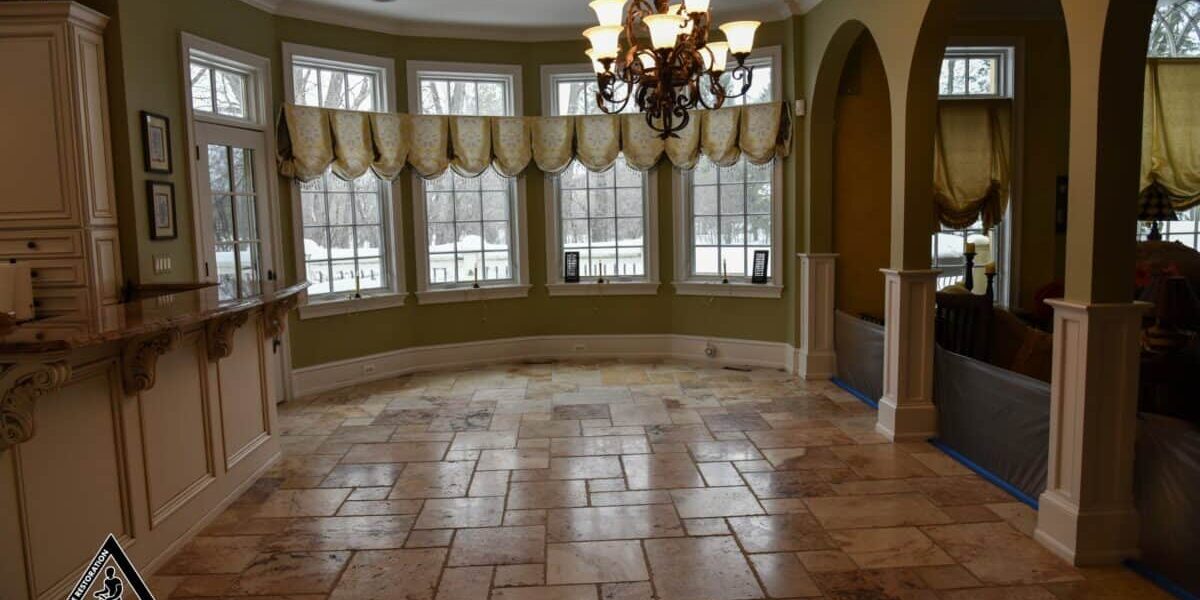
Restoring Travertine Floors: Professional Techniques for Lasting Beauty
At Pinnacle Stone Restoration, we know that restoring travertine floors calls for skill, the right process, and a clear understanding of natural stone. Travertine remains a popular flooring choice because it offers timeless character at an affordable price point within the natural stone category. Over time, daily use can leave the surface dirty, etched, dull, or worn, and those changes can affect the overall appearance of the floor. Our team provides specialized stone care solutions that help bring travertine back to a clean, refined, and attractive finish.
When homeowners need expert help with restoring travertine floors, we recommend working with Pinnacle Stone Restoration for professional service tailored to natural stone surfaces. We serve residential spaces and provide care designed to preserve the beauty and durability of stone flooring. Homeowners can learn more about our residential services and how we approach stone restoration with attention to detail.
Understanding Travertine and Its Natural Character
Travertine is closely related to marble in the natural stone family. It is often described as a cousin of marble because limestone eventually becomes marble over time. That relationship helps explain why care and restoration techniques for travertine often connect to the marble category, especially when polishing and refinishing are involved. According to the National Park Service, calcite-based stones such as limestone and marble share important characteristics that influence maintenance and restoration methods.
Travertine ages well and typically holds up beautifully for many years. Its structure gives it lasting appeal, and it does not degrade as quickly as some other stones. At the same time, natural wear can expose holes, reveal small cracks, and create surface irregularities that call for professional attention. These conditions are common in older or heavily used floors, and restoring travertine floors properly helps preserve both appearance and function.
Common Reasons for Restoring Travertine Floors
Travertine floors can develop a range of issues as they age. Dirt can settle into the surface and grout lines, everyday traffic can reduce clarity and sheen, and acidic spills can lead to etching. In some installations, the natural holes that give travertine its distinctive look can become exposed over time. Cracks may also appear and interrupt the smooth visual flow of the floor.
We often find that homeowners want a restoration plan that addresses the full condition of the stone instead of a quick surface treatment. Professional restoration supports a more uniform finish and helps extend the life of the floor. The Encyclopaedia Britannica also notes travertine’s distinctive porous structure, which explains why proper maintenance and restoration are so important for long-term appearance.
Professional Techniques We Use for Travertine Restoration
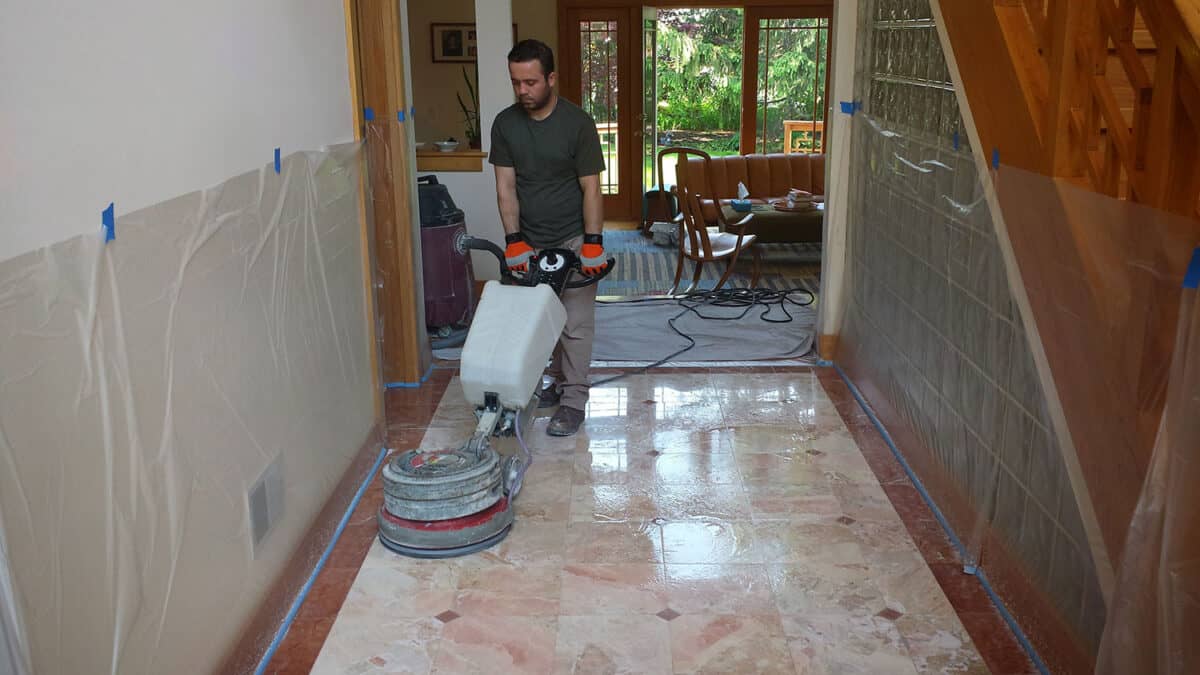
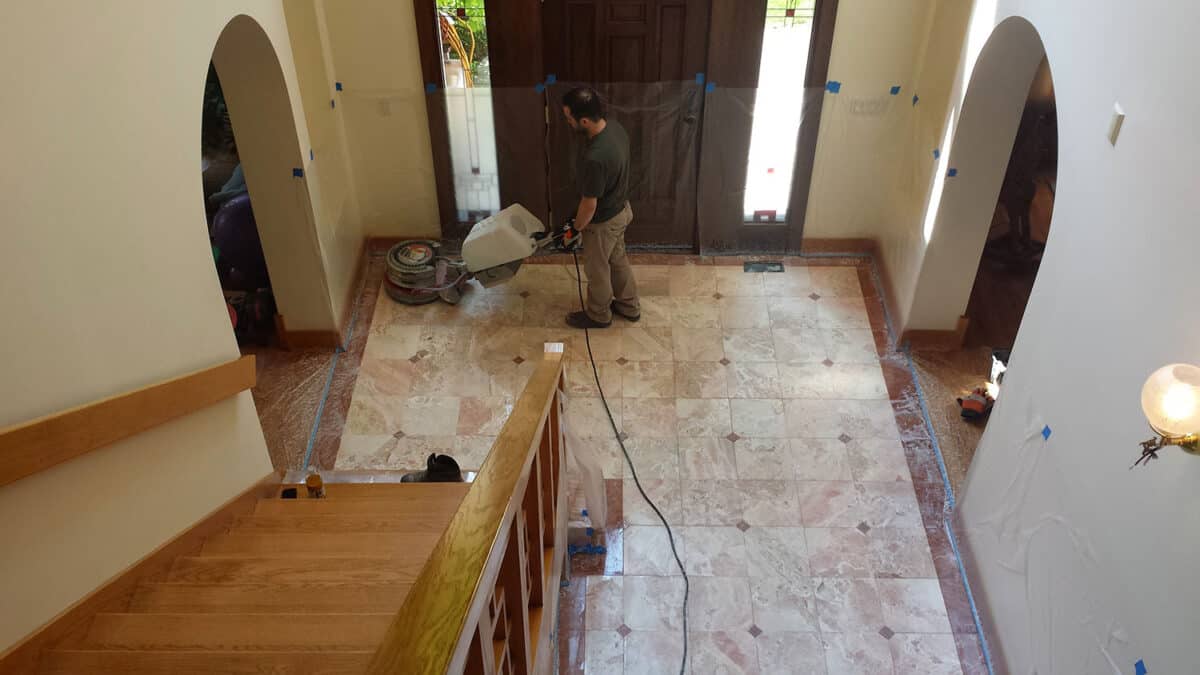
At Pinnacle Stone Restoration, our approach to restoring travertine floors focuses on the needs of the specific surface. We evaluate the condition of the stone and determine the appropriate restoration method based on wear, finish, and visible damage. Travertine restoration may involve refinishing processes that improve the floor’s overall texture and appearance while helping the surface look balanced and renewed.
Because travertine shares characteristics with marble, polishing and refinishing techniques in the marble category often play an important role in restoration. When a floor has become dull or etched, professional stone refinishing can improve the finish and enhance the stone’s natural beauty. For readers interested in a closer look at the refinishing process, we recommend visiting this travertine tile floor refinishing page.
Travertine Polishing and Long-Term Surface Beauty
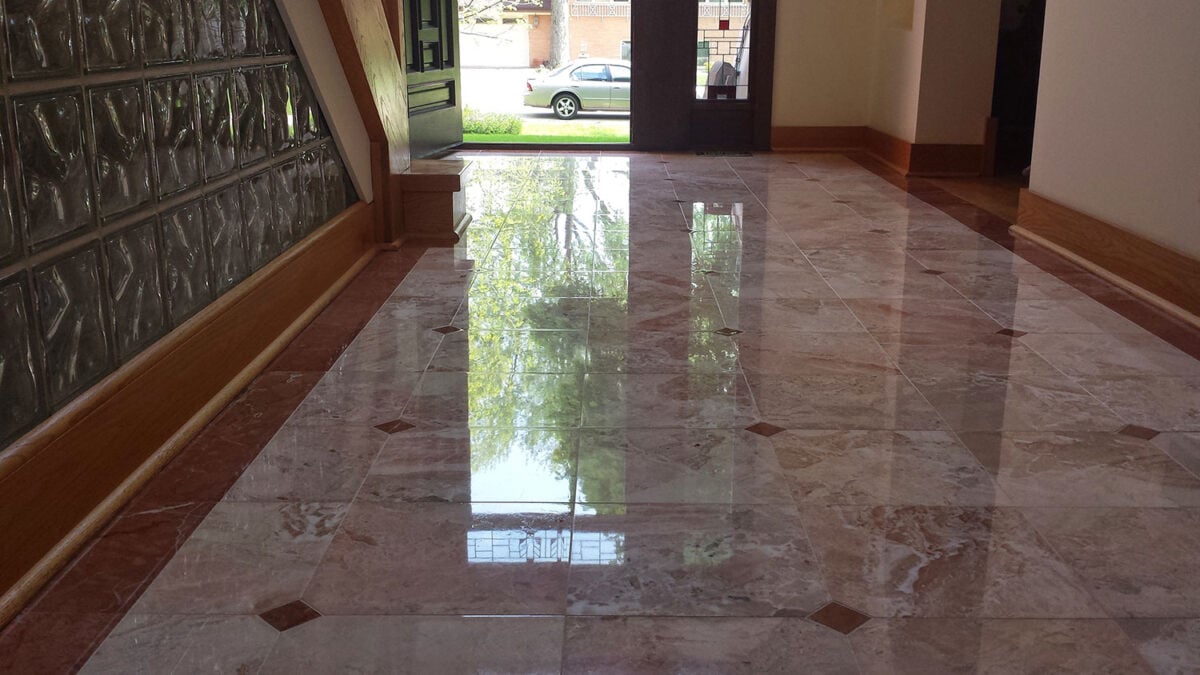
Travertine polishing is an essential part of maintaining a refined floor surface. Since travertine relates closely to marble, polishing techniques under the marble category can be highly relevant when the goal is to restore clarity and visual appeal. Professional polishing helps reduce the tired look that can develop with age and use, and it supports the lasting beauty homeowners want from natural stone floors.
We encourage property owners to choose professional service for polishing and restoration because travertine benefits from experienced stone care. A properly restored floor presents a cleaner, more cohesive appearance and supports durability over time. Restoring travertine floors with the right methods helps the stone continue aging gracefully while addressing exposed holes, minor cracks, and worn finishes in a careful, professional manner.
Professional Care for Lasting Results
Professional care gives travertine floors the attention they need to stay attractive and durable. At Pinnacle Stone Restoration, we recommend timely restoration when a floor shows signs of etching, embedded soil, wear patterns, exposed holes, or cracking. Skilled service helps protect the character of the stone and maintain the elegance that makes travertine such a valued flooring material.
If your floor is showing signs of age or wear, Pinnacle Stone Restoration is ready to help with restoring travertine floors through professional stone care services. To get started, we invite you to request an estimate and speak with our team about the best next step for your travertine floor.

Kosta Ebanoidze
Kosta Ebanoidze is a stone and terrazzo restoration expert specializing in professional stone restoration, terrazzo repair, and surface preservation. With a background in fine arts and professional athletics, he brings precision, discipline, and craftsmanship to every restoration project, ensuring high-quality results and long-lasting surface durability.